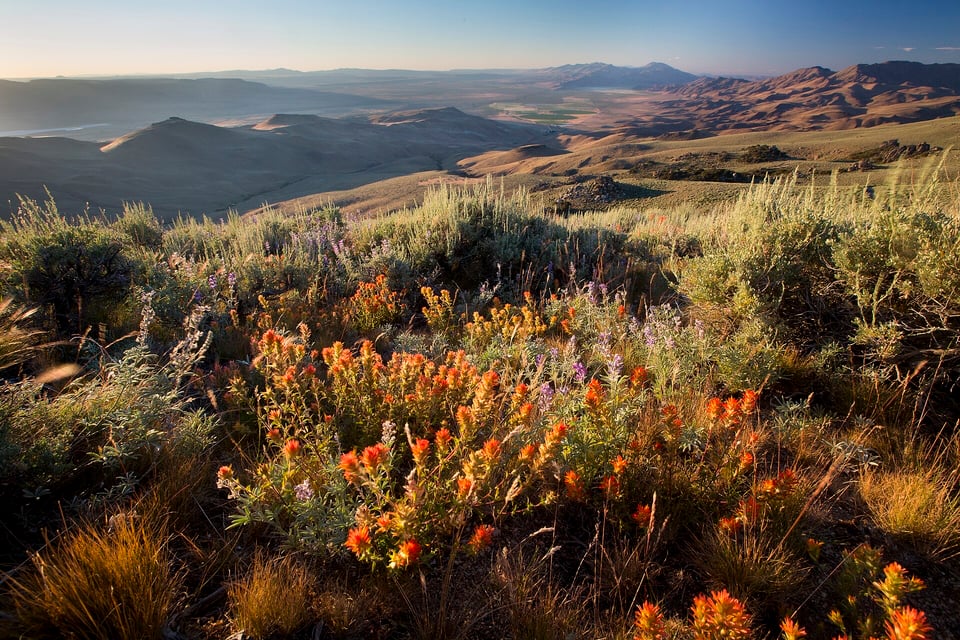
Tessaline Intersects 312 g/t Silver over 9.4 Metres at Mesa Corvina
Step-out drilling extends the Corvina vein 450 metres to the southeast, beyond the January 2026 resource.
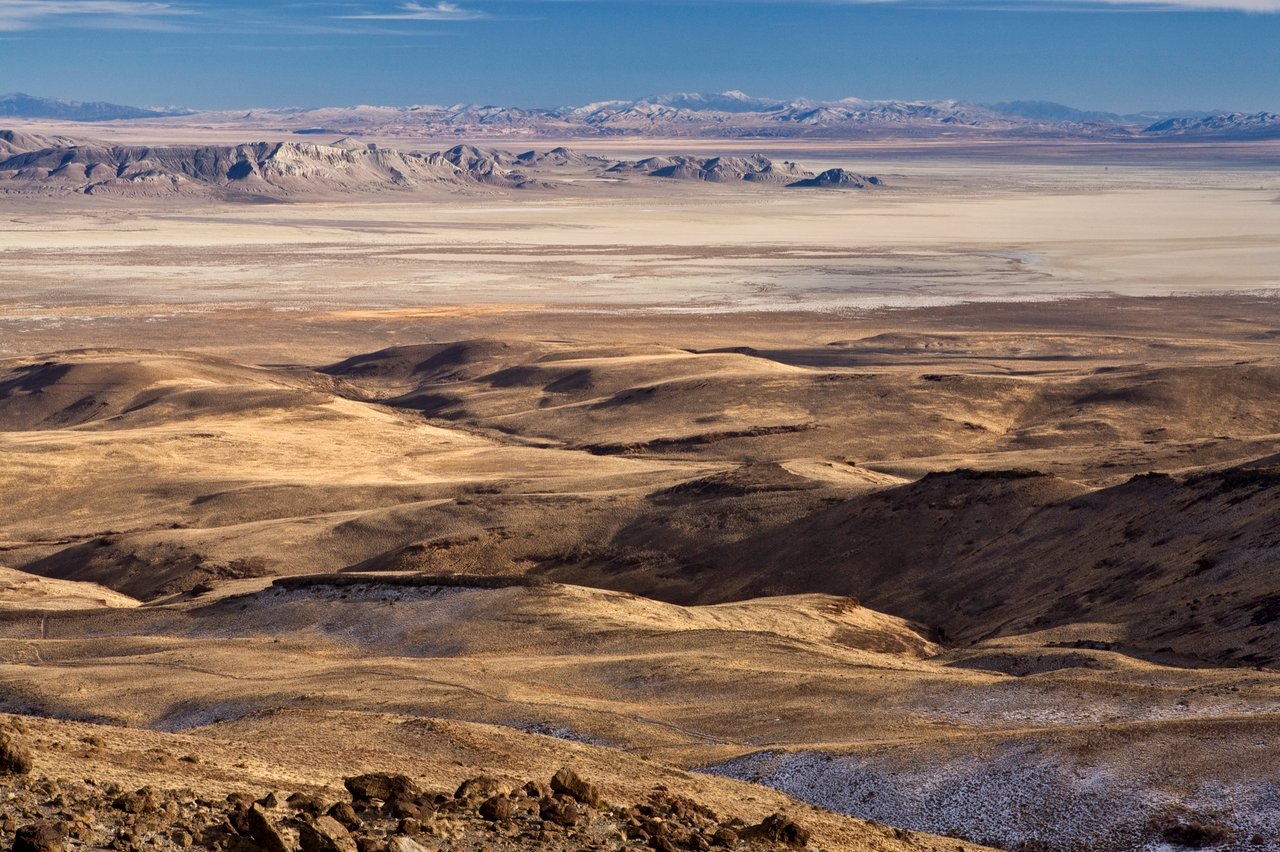
Gold and Silver in Nevada and Northern Mexico
Sagewind’s pre-feasibility study shows an 11-year mine. Four discovery projects in Nevada, Sonora and Chihuahua stand behind it.
Our Company
Tessaline Minerals Corp. explores for and develops gold and silver deposits in Nevada and northern Mexico. Our flagship, Sagewind in Lander County, Nevada, is an oxide gold project with a completed pre-feasibility study. Behind it sit four projects at earlier stages: Quillback in Nevada, and Mesa Corvina, Cerro Pardela and Arroyo Tecolin in Sonora and Chihuahua.
We are a small team of geologists, engineers and community specialists based in Vancouver, Reno and Hermosillo. We drill where the geology points, publish results once they are verified, and keep a written record of every commitment we make to the communities near our projects.
Tessaline Minerals Corp. is a made-up company and this is a demonstration website built by Kovy Web. Its projects, people, figures and news do not exist, and statements about plans or results are illustrative, not forecasts. The photographs are public-domain images of other places.
Newsroom
Step-out drilling extends the Corvina vein 450 metres to the southeast, beyond the January 2026 resource.
A 4,000-metre core program tests a porphyry copper target below a two by three kilometre leached cap in Sonora.
After-tax NPV (5%) of US$412 million and IRR of 31.4% for an 11-year heap-leach mine producing 112,000 ounces a year.
Investors
Our corporate presentation, quarterly reports, technical reports and the Sagewind resource and reserve tables are all on the investor pages. Tessaline is a made-up company: its shares are not listed anywhere.
Responsibility
We measure the water we use, reclaim drill pads the season we finish them, and hire and buy locally where we can. At Sagewind, baseline studies of springs, sage-grouse habitat and cultural sites started two years before the pre-feasibility study.